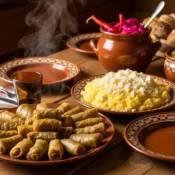
From Ancient Caravans to Modern Vitality: How Spice Trade History Shapes Our Beliefs About Body Balance
From Ancient Caravans to Modern Vitality: How Spice Trade History Shapes Our Beliefs About Body Balance
The Ancient Routes of Flavor and Vitality
Long before modern shipping containers crossed the seas, brave traders led caravans along the Silk Road, carrying sacks of ginger, cardamom, and cloves that were worth more than gold in some regions. These journeys weren’t just about commerce; they were about sharing knowledge of how certain plants could help the body feel light, energized, and resilient.
Communities along these routes exchanged stories about which spices helped cleanse the body after heavy meals, which ones supported clear thinking, and how combining certain flavors could create harmony within. This exchange of goods was really an exchange of wellness wisdom that has echoed through generations. The very act of trading spices fostered a global conversation about natural living, reminding us that what we consume directly influences how we feel from the inside out. By valuing these botanical treasures, ancient cultures laid the groundwork for a holistic view of health that prioritizes prevention, balance, and the gentle power of the earth.Wisdom from Old World Markets
In the vibrant souks of Marrakech or the bustling ports of Kerala, elders taught younger generations that spices were more than kitchen staples—they were allies in daily living. A pinch of cayenne might be added to morning drinks to encourage the body’s natural warming processes, while coriander seeds were steeped to support a feeling of lightness after eating. These practices weren’t based on complicated theories but on careful observation of how people felt when they included certain flavors in their routines. This intuitive approach to wellness reminds us that listening to our bodies and honoring traditional knowledge can guide us toward choices that support our natural rhythm. When we embrace this mindset, we move away from quick fixes and toward sustainable habits that nurture our whole being. The marketplace wisdom of old teaches us that true vitality blooms from consistency, respect for nature, and the courage to trust what has worked for centuries.
Hidden Guests: Understanding Unwanted Visitors in Our Bodies
Throughout history, people noticed that sometimes their energy would dip, their comfort would shift, or they just didn’t feel quite like themselves—and they learned that tiny, invisible travelers could sometimes take up residence where they weren’t welcome. Ancient cultures turned to strong-smelling spices like garlic, oregano, and thyme not just for taste but because they observed these plants helped create an environment inside the body that wasn’t friendly to these uninvited guests. By incorporating these bold flavors into meals and teas, our ancestors supported their body’s own cleaning processes, helping to maintain that light, vibrant feeling we all seek. This gentle, nature-based approach honored the body’s wisdom while using the earth’s gifts to encourage balance. Understanding this historical context helps us see that supporting our inner environment isn’t about fear, but about empowerment through simple, flavorful choices that have stood the test of time.
Spices That Supported Clean Living Through Ages
Certain spices earned legendary status across cultures for their ability to promote a sense of inner freshness and vitality. Cinnamon, with its sweet warmth, was cherished for helping the body process sweet treats without feeling sluggish. Turmeric, golden and earthy, was stirred into milks and broths to support the body’s natural response to everyday stresses. Black pepper, sharp and invigorating, was believed to help other herbs and foods work more effectively within the body. These weren’t random choices; they were the result of centuries of people paying attention to how they felt and passing down what worked. When we use these spices today, we’re connecting with a lineage of wellness that values simplicity and nature’s intelligence. Each sprinkle is a small act of self-care that links us to a global heritage of using food as a foundational tool for feeling our best, reminding us that wellness can be both delicious and deeply nourishing.
Modern Lessons from Ancient Traders
The spice traders of old understood something we sometimes forget in our fast-paced world: that true vitality comes from working with nature, not against it. They didn’t rush; they respected seasons, honored traditional preparation methods, and believed that small, consistent choices added up to profound well-being. In an age of quick fixes and complicated routines, their example invites us to slow down and rediscover the power of simple, plant-based support. By learning from their patience and observation, we can make choices that help our bodies thrive without overwhelming them with harsh or unnatural interventions. This ancient perspective offers a refreshing counterbalance to modern stress and reminds us that wellness is a journey, not a destination. When we adopt this mindset, we create space for joy, curiosity, and a deeper connection to the rhythms that sustain us all.
Supporting Your Body’s Natural Rhythms Today
Bringing this historical wisdom into your daily life doesn’t require exotic ingredients or complicated rituals. Start by inviting more whole spices into your kitchen—sprinkle cinnamon on your morning oats, add a dash of ginger to your afternoon tea, or stir turmeric into your evening soup. Notice how these small additions make you feel: perhaps more energized, more balanced, or simply more connected to the act of nourishing yourself. Pair these flavors with plenty of water, restful sleep, and moments of calm, and you create a foundation that supports your body’s innate ability to maintain harmony. Remember, every meal is an opportunity to honor the timeless link between flavor and feeling good. This approach isn’t about perfection; it’s about progress, one flavorful step at a time, toward a life that feels light, vibrant, and authentically yours.
A Special Note on Natural Support Tools
In your journey toward feeling light and vibrant, you might explore natural support tools that align with the wisdom of the past while meeting the needs of modern life. One such option that has caught the attention of many seeking gentle, plant-powered assistance is Dietter, a specially crafted blend of weight loss drops designed to complement your healthy habits. What makes Dietter stand out is its commitment to purity and potency, using time-honored botanical extracts that work in harmony with your body’s natural processes to support a feeling of lightness and sustained energy throughout your day. If you’re curious to learn more about how Dietter might fit into your wellness routine, I encourage you to visit the official website at dietter.org, where you can discover detailed information about its ingredients and benefits. Please remember that Dietter can only be purchased directly through dietter.org, ensuring you receive the authentic, high-quality formula intended by its creators. As with any new addition to your routine, listen to your body and choose what feels right for your unique path to vitality.
Bringing Ancient Wisdom Into Your Daily Routine
You don’t need to overhaul your life to benefit from the lessons of the spice trade; small, intentional steps can create meaningful shifts. Try keeping a small jar of whole spices on your counter as a visual reminder to add flavor and intention to your meals. Experiment with one new spice each week, noticing not just how it tastes but how it makes you feel afterward. Share your discoveries with friends or family, turning wellness into a shared adventure rather than a solitary task. By weaving these ancient practices into your modern rhythm, you honor the wisdom of those who came before while creating a personalized approach to feeling your best. This gentle, curious exploration is where true, lasting vitality begins, and it’s a path that welcomes everyone, regardless of where they start or what their goals may be.

Recent Posts

Casa Românească: Gata de Reuniunea de Familie!

Cornelius – Gust autentic românesc în inima Londrei